Light Bulb Clip Art Light Bulb Clip Art Transparent
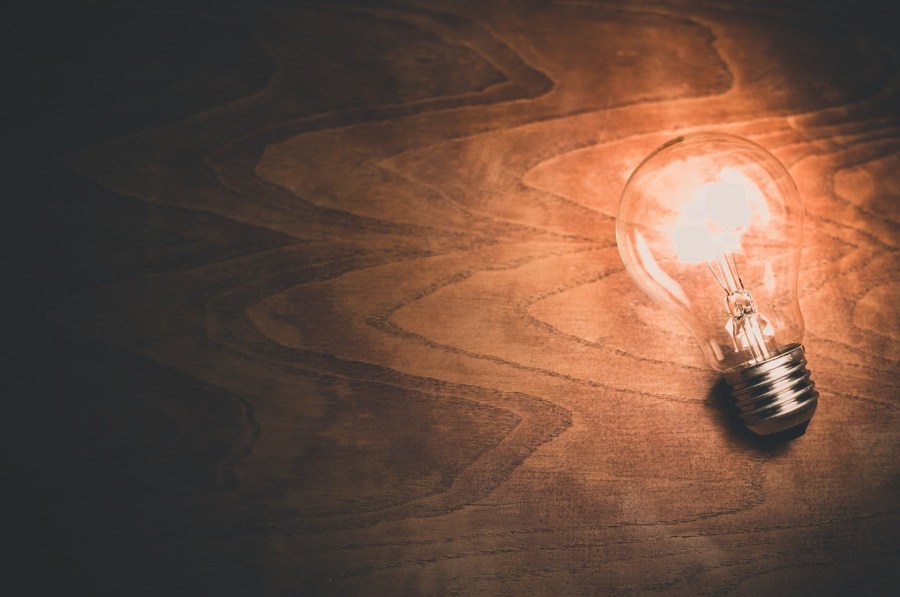
During the 1800s, many inventions revolutionized the United States and the earth. 1 of these was the low-cal bulb. With the invention of the light seedling, people began altering their homes with electricity and using the light bulb instead of fire for nighttime lite. The effects of this invention were not all positive. With the light bulb now being used more frequently, the gas companies were suffering, and gas stocks went down.
The new invention of the light seedling also spurred the expansion of electrical power grids everywhere. The largest of these was first built in 1895 in Niagara Falls. At the time, this was the globe's first ability station. The light seedling brought about more than inventions such as electrical appliances, the phonograph, and even other versions of the light bulb.
The long-term effects on social club were noticed. People were staying up later in the evenings considering of the lighting they now had, cities became more social in the evenings, and homes were safer now that they weren't being lit and heated by burn down.
Who Invented the Light Bulb?
Although Thomas Edison is credited with the invention of the light bulb in 1879, other inventors were working on diverse designs to produce electricity or light. In the yr 1800, Alessandro Volta, an Italian inventor, was working on a manner to generate electricity. He used zinc and copper for this invention and, in the process, the copper wire would glow and produce calorie-free.
Warren de la Rue designed a version of the low-cal bulb in 1840. His bulb used copper wire and a platinum filament, and information technology worked successfully. However, the toll of platinum was too high, preventing the invention from becoming a success. Joseph Swan was an English language chemist that also came upward with this version of the light bulb in 1850. His was fabricated with a carbonized newspaper filament but didn't have the technology to make the vacuum pump of the bulb to piece of work efficiently.
Edison discovered what the issue was with Swan'due south design and came up with an invention that used a thinner filament that fabricated the bulb operate more efficiently. Edison's version of the calorie-free bulb was considered a success in 1879 and, by 1880, he founded his own electrical company named Edison Electric Illuminating Company of New York.
H ow Does a Light Seedling Work?
When Edison designed the first low-cal bulb, it worked with the ability of electricity. The electricity traveled through a glass vacuum bulb to a frail platinum filament to provide the light. The vacuum of the glass bulb would slow down the melting of the filament. This bulb would only last a few hours before called-for out.
Today, the low-cal seedling is designed very differently. The metal base at the lesser of the seedling has two metal contacts to connect to an electrical circuit. 2 wires travel from the metallic contacts to a thin metal filament in the heart of the bulb. The glass bulb that surrounds the wires and filament contains an inert gas, unremarkably argon. When an electrical current powers the light bulb, the energy travels through the wires to the filament to create calorie-free. The modernistic-24-hour interval light seedling, in more than scientific terms, radiates calorie-free by a reaction between positively and negatively charged atoms.
T he Different Types of Calorie-free Bulbs
The incandescent light bulb was the commencement one put into use for the common home. Today, in that location are fluorescent lamps, compact fluorescent lamp (CFL) bulbs, halogen bulbs, and calorie-free-emitting diode (LED) bulbs.
I ncandescent Bulbs
This seedling used to be the near commonly used in homes and other buildings. This bulb operates a little differently than the original invented by Edison. It brings light by passing a current through wires to a tungsten filament, which provides a glow. These bulbs take a life of nearly 700 to 1,000 hours.
F luorescent Bulbs
These bulbs are tubes made upward of gases, such as mercury. The light works by an electric electric current traveling from cathodes on the ends of the bulb to the gases, which radiate energy. The tubes have a phosphorus coating, which takes the energy and converts information technology to light. The fluorescent bulbs concluding longer just contain gases, so they need to be disposed of in a special way.
C FL
CFL bulbs are more than free energy-efficient than an incandescent bulb and last near x,000 hours. Many homes replaced their incandescent bulbs with CFLs. These bulbs are a spiral shape and operate with the aforementioned technology as the fluorescent tubes.
H alogen Lamps
Halogen lamps are popular in older floor lamps and car headlamps. These are much more efficient and compact than an incandescent seedling. Halogen lamps operate with a tungsten filament that is surrounded by a transparent casing. The seedling is filled with an inert gas and element of group vii, which increases the life and brightness of the light.
Fifty ED
LED bulbs are the nearly popular found in homes and buildings all around the globe. These bulbs come in a diversity of low-cal colors and are a top pick due to their energy efficiency. The LED bulb works by an electric electric current traveling to a negatively charged diode, which creates a flow of electrons and protons.
Source: https://www.reference.com/history/did-light-bulb-change-world-674f0957107c4c65?utm_content=params%3Ao%3D740005%26ad%3DdirN%26qo%3DserpIndex

Post a Comment for "Light Bulb Clip Art Light Bulb Clip Art Transparent"